
Medical-Grade Hyperpigmentation Treatments
Brightening treatments to help fade the look of dark spots and even the look of skin tone.
Select Hyperpigmentation & Dark Spots treatment type:
Hyperpigmentation & Dark Spots Serums
 ZO Skin HealthZO 10% Vitamin C Self-Activating Serum
$140.00
Add to cart
ZO Skin HealthZO 10% Vitamin C Self-Activating Serum
$140.00
Add to cart
 ZO Skin HealthZO Illuminating AOX Serum
$235.00
Add to cart
ZO Skin HealthZO Illuminating AOX Serum
$235.00
Add to cart
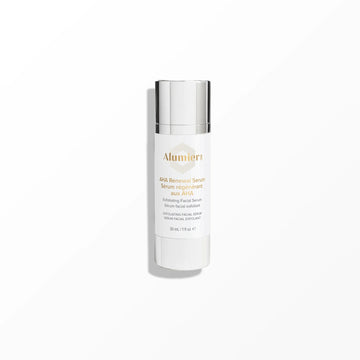 AlumierMDAlumier AHA Renewal Serum
$119.00
Sold out
AlumierMDAlumier AHA Renewal Serum
$119.00
Sold out
 AlumierMDAlumier Retinol Resurfacing Serum 0.25%
$118.50
Sold out
AlumierMDAlumier Retinol Resurfacing Serum 0.25%
$118.50
Sold out
 AlumierMDAlumier Retinol Resurfacing Serum 0.5%
$139.00
Sold out
AlumierMDAlumier Retinol Resurfacing Serum 0.5%
$139.00
Sold out
 AlumierMDAlumier Retinol Resurfacing Serum 1.0%
$153.00
Sold out
AlumierMDAlumier Retinol Resurfacing Serum 1.0%
$153.00
Sold out
 SkinCeuticalsSkin Ceuticals Serum 10 AOX+
$130.00
Add to cart
SkinCeuticalsSkin Ceuticals Serum 10 AOX+
$130.00
Add to cart
 Alastin SkincareAlastin C-Radical Defense Antioxidant Serum
$218.00
Add to cart
Alastin SkincareAlastin C-Radical Defense Antioxidant Serum
$218.00
Add to cart Hyperpigmentation & Dark Spots Moisturizers
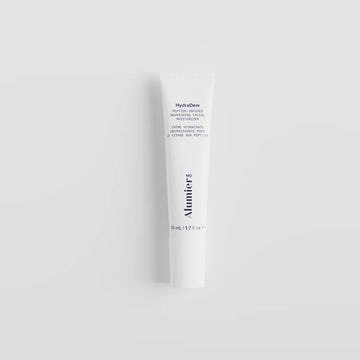 AlumierMDAlumier HydraDew
$88.00
Sold out
AlumierMDAlumier HydraDew
$88.00
Sold out
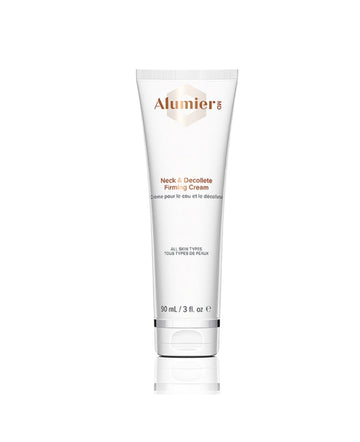 AlumierMDAlumier Neck & Décolleté Firming Cream
$116.50
Sold out
AlumierMDAlumier Neck & Décolleté Firming Cream
$116.50
Sold outHyperpigmentation & Dark Spots Retinoids
 ZO Skin HealthZO Retinol Skin Brightener 1%
$190.00
Add to cart
ZO Skin HealthZO Retinol Skin Brightener 1%
$190.00
Add to cart
 ZO Skin HealthZO Retinol Skin Brightener 0.25%
$145.00
Add to cart
ZO Skin HealthZO Retinol Skin Brightener 0.25%
$145.00
Add to cart
 ZO Skin HealthZO Retinol Skin Brightener 0.5%
$165.00
Add to cart
AlumierMDAlumier Retinol Resurfacing Serum 0.25%
$118.50
Sold out
AlumierMDAlumier Retinol Resurfacing Serum 0.5%
$139.00
Sold out
AlumierMDAlumier Retinol Resurfacing Serum 1.0%
$153.00
Sold out
ZO Skin HealthZO Retinol Skin Brightener 0.5%
$165.00
Add to cart
AlumierMDAlumier Retinol Resurfacing Serum 0.25%
$118.50
Sold out
AlumierMDAlumier Retinol Resurfacing Serum 0.5%
$139.00
Sold out
AlumierMDAlumier Retinol Resurfacing Serum 1.0%
$153.00
Sold outHyperpigmentation & Dark Spots Antioxidants
ZO Skin HealthZO 10% Vitamin C Self-Activating Serum
$140.00
Add to cart
ZO Skin HealthZO Illuminating AOX Serum
$235.00
Add to cart
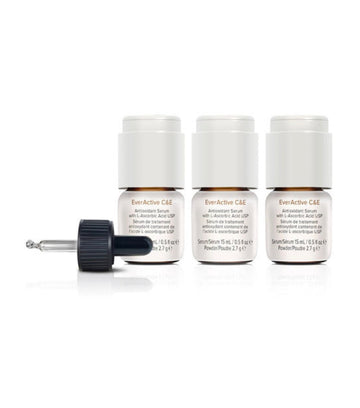 AlumierMDAlumier EverActive C&E + Peptide
$230.00
Sold out
AlumierMDAlumier EverActive C&E + Peptide
$230.00
Sold out
 SkinCeuticalsSkin Ceuticals C E Ferulic with 15% l-ascorbic acid
$220.00
Add to cart
SkinCeuticalsSkin Ceuticals C E Ferulic with 15% l-ascorbic acid
$220.00
Add to cart
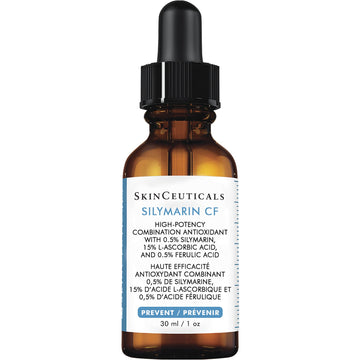 SkinCeuticalsSkin Ceuticals Silymarin CF
$220.00
Add to cart
SkinCeuticalsSkin Ceuticals Serum 10 AOX+
$130.00
Add to cart
Alastin SkincareAlastin C-Radical Defense Antioxidant Serum
$218.00
Add to cart
SkinCeuticalsSkin Ceuticals Silymarin CF
$220.00
Add to cart
SkinCeuticalsSkin Ceuticals Serum 10 AOX+
$130.00
Add to cart
Alastin SkincareAlastin C-Radical Defense Antioxidant Serum
$218.00
Add to cart Hyperpigmentation & Dark Spots Brightening & Pigment
ZO Skin HealthZO Retinol Skin Brightener 1%
$190.00
Add to cart
ZO Skin HealthZO Retinol Skin Brightener 0.25%
$145.00
Add to cart
ZO Skin HealthZO Retinol Skin Brightener 0.5%
$165.00
Add to cart
ZO Skin HealthZO Illuminating AOX Serum
$235.00
Add to cart
 AlumierMDAlumier Bright & Clear Solution
$70.00
Sold out
AlumierMDAlumier Bright & Clear Solution
$70.00
Sold out
 AlumierMDAlumier Alumience A.G.E.
$176.00
Sold out
AlumierMDAlumier Alumience A.G.E.
$176.00
Sold out
 AlumierMDAlumier Intellibright Complex
$136.00
Sold out
AlumierMDAlumier Intellibright Complex
$136.00
Sold out
 AlumierMDAlumier Lightening Lotion
$122.00
Add to cart
AlumierMDAlumier Lightening Lotion
$122.00
Add to cart
 AlumierMDAlumier Brightening Collection Normal/Oily W/HQ
$467.00
Sold out
AlumierMDAlumier Brightening Collection Normal/Oily W/HQ
$467.00
Sold out
 AlumierMDAlumier Brightening Collection Dry/Sensitive W/HQ
$467.00
Sold out
AlumierMDAlumier Brightening Collection Dry/Sensitive W/HQ
$467.00
Sold out
 AlumierMDAlumier Brightening Collection Normal/Oily WO/HQ
$467.00
Sold out
AlumierMDAlumier Brightening Collection Normal/Oily WO/HQ
$467.00
Sold out
 AlumierMDAlumier Brightening Collection Dry/Sensitive WO/HQ
$467.00
Sold out
AlumierMDAlumier Brightening Collection Dry/Sensitive WO/HQ
$467.00
Sold out
 AlumierMDAlumier Eventone
$140.00
Add to cart
AlumierMDAlumier Eventone
$140.00
Add to cart
 AlumierMDAlumier Prep & Enhance - Discolouration (Non-HQ)
$405.00
Sold out
AlumierMDAlumier Prep & Enhance - Discolouration (Non-HQ)
$405.00
Sold out
 AlumierMDAlumier Prep & Enhance - Discolouration (HQ)
$405.00
Sold out
AlumierMDAlumier Prep & Enhance - Discolouration (HQ)
$405.00
Sold out
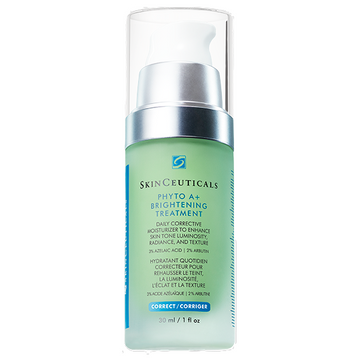 SkinCeuticalsSkin Ceuticals Phyto A+ Brightening Treatment
$150.00
Add to cart
SkinCeuticalsSkin Ceuticals Phyto A+ Brightening Treatment
$150.00
Add to cart Hyperpigmentation & Dark Spots Exfoliants & Peels
 ZO Skin HealthZO Complexion Renewal Pads
$80.00
Add to cart
ZO Skin HealthZO Complexion Renewal Pads
$80.00
Add to cart
 ZO Skin HealthZO Exfoliation Accelerator
$115.00
Add to cart
ZO Skin HealthZO Exfoliation Accelerator
$115.00
Add to cart
 ZO Skin HealthZO Enzymatic Peel
$115.00
Add to cart
ZO Skin HealthZO Enzymatic Peel
$115.00
Add to cart
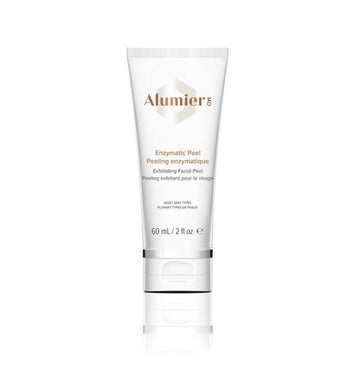 AlumierMDAlumier Enzymatic Peel
$129.00
Sold out
AlumierMDAlumier Enzymatic Peel
$129.00
Sold outHyperpigmentation & Dark Spots Sunscreen
 Elta MDElta MD UV Clear SPF 46
$75.00
Sold out
Elta MDElta MD UV Clear SPF 46
$75.00
Sold out
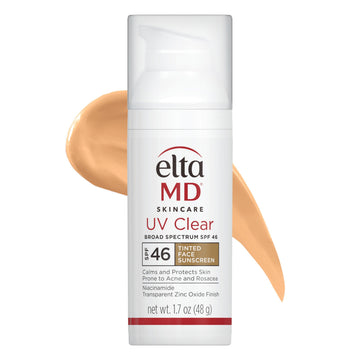 Elta MDElta MD UV Clear Tinted SPF 46
$79.00
Sold out
Elta MDElta MD UV Clear Tinted SPF 46
$79.00
Sold outMore Hyperpigmentation & Dark Spots
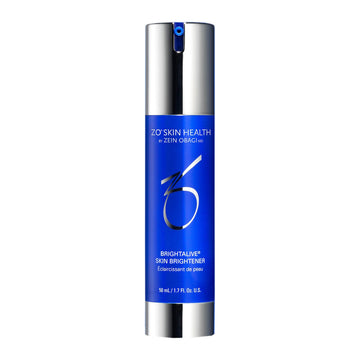 ZO Skin HealthZO Brightalive
$195.00
Add to cart
ZO Skin HealthZO Brightalive
$195.00
Add to cart
 ZO Skin HealthZO Radical Night Repair
$240.00
Add to cart
ZO Skin HealthZO Radical Night Repair
$240.00
Add to cart
 AlumierMDAlumier Rejuvenating Collection Normal/Oily
$551.00
Sold out
AlumierMDAlumier Rejuvenating Collection Normal/Oily
$551.00
Sold out
 AlumierMDAlumier Rejuvenating Collection Dry/Sensitive
$551.00
Sold out
AlumierMDAlumier Rejuvenating Collection Dry/Sensitive
$551.00
Sold out
 AlumierMDAlumier Prep & Enhance - Rejuvenation
$405.00
Sold out
AlumierMDAlumier Prep & Enhance - Rejuvenation
$405.00
Sold out
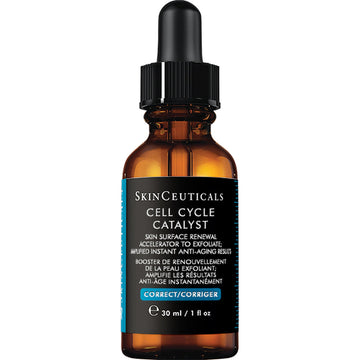 SkinCeuticalsSkin Ceuticals Cell Cycle Catalyst
$140.00
Add to cart
SkinCeuticalsSkin Ceuticals Cell Cycle Catalyst
$140.00
Add to cart About Medical-Grade Hyperpigmentation Treatments
What are medical-grade hyperpigmentation products?
Hyperpigmentation includes dark spots, sun spots, post-blemish marks and melasma, and it generally improves with a consistent routine of targeted actives plus daily sun protection. Medical-grade hyperpigmentation products use professional-grade brightening ingredients from brands like SkinCeuticals, ZO Skin Health and AlumierMD.
Ingredients that fade the look of dark spots
- Vitamin C: helps brighten the look of skin and defends against daily stress.
- Tranexamic acid and niacinamide: help even the look of tone.
- Retinoids: help smooth the look of skin and fade the look of marks.
- Hydroquinone (under professional guidance): a well-studied option for the look of stubborn pigment.
Why sunscreen is essential
UV exposure is the main driver of most discoloration, so daily broad-spectrum SPF is one of the most important steps for an even-looking tone. Without it, pigment keeps returning. Give any routine eight to twelve weeks of consistent use.
Shop authentic medical-grade hyperpigmentation products in Canada
BelleSkin is an independent Canadian retailer, so every product is genuine and fresh, shipped across Canada with free shipping over $99.
Frequently asked questions
What causes hyperpigmentation?
It typically results from excess melanin, which dermatology sources link to sun exposure, inflammation or injury (such as acne, which can leave post-inflammatory hyperpigmentation), and hormonal changes like pregnancy or oral contraceptives (often seen as melasma). People with deeper skin tones may be more prone to it because their pigment-producing cells tend to be more active and more reactive to inflammation.
How long does it take for hyperpigmentation to fade?
Timelines vary widely by individual and by how deep the pigment sits. Dermatology references suggest surface-level (epidermal) post-inflammatory hyperpigmentation may fade over roughly 6 to 12 months, though it can sometimes be longer, and a consistent routine with sun protection may help support that process. Deeper (dermal) pigment can take considerably longer and may persist.
Does sunscreen really help with dark spots?
Daily broad-spectrum sunscreen is widely regarded as foundational, because UV exposure can darken existing spots and undo other efforts. The American Academy of Dermatology recommends a broad-spectrum SPF 30 or higher, reapplied regularly, and some studies suggest tinted mineral sunscreens with iron oxides may offer added protection against visible light.
Which ingredients are best for an uneven skin tone?
Commonly studied options include vitamin C, niacinamide, azelaic acid, tranexamic acid, retinoids, and gentle exfoliating acids, each thought to support a more even-looking tone through different pathways. Because they work differently, a routine may pair a couple of them, but introducing one active at a time can help reduce the risk of irritation.
Can I use vitamin C and niacinamide together?
Many shoppers use both, often vitamin C in the morning under sunscreen and niacinamide as a supporting step, since each has been studied for its effect on the look of pigmentation. As with any active routine, patch testing and easing in gradually is generally recommended, and a skincare professional can help tailor the combination to your skin.