
Medical-Grade Facial Redness Relief
Barrier-supporting treatments to help reduce the look of redness and comfort the feel of reactive, sensitized skin.
Select Redness treatment type:
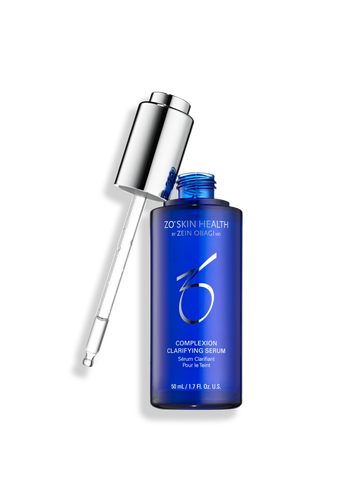
Redness Serums
Redness Moisturizers
 AveneAvène XeraCalm A.D Lipid-Replenishing Balm
$41.00
Add to cart
AveneAvène XeraCalm A.D Lipid-Replenishing Balm
$41.00
Add to cart
 ZO Skin HealthZO Hydrating Creme
$160.00
Add to cart
ZO Skin HealthZO Hydrating Creme
$160.00
Add to cart
 AveneAvene Cicalfate+ Restorative Protective Cream
$19.00
Sold out
AveneAvene Cicalfate+ Restorative Protective Cream
$19.00
Sold out
 AveneAvene XeraCalm Lipid-replenishing cream
$41.00
Add to cart
AveneAvene XeraCalm Lipid-replenishing cream
$41.00
Add to cart
 AlumierMDAlumier Recovery Balm
$111.00
Sold out
AlumierMDAlumier Recovery Balm
$111.00
Sold out
 AlumierMDAlumier HydraCalm
$90.00
Add to cart
AlumierMDAlumier HydraCalm
$90.00
Add to cart
 Alastin SkincareAlastin Soothe + Protect Recovery Balm
$70.00
Add to cart
Alastin SkincareAlastin Soothe + Protect Recovery Balm
$70.00
Add to cart Redness Brightening & Pigment
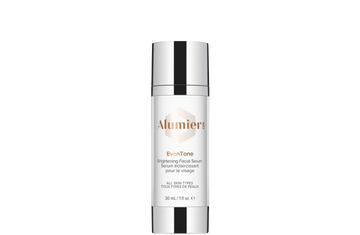 AlumierMDAlumier Eventone
$140.00
Add to cart
AlumierMDAlumier Eventone
$140.00
Add to cart
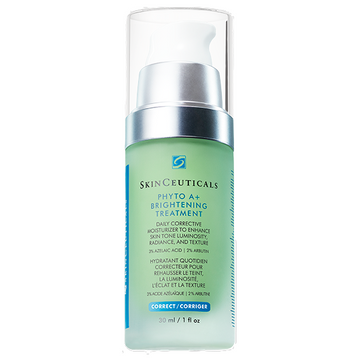 SkinCeuticalsSkin Ceuticals Phyto A+ Brightening Treatment
$150.00
Add to cart
SkinCeuticalsSkin Ceuticals Phyto A+ Brightening Treatment
$150.00
Add to cart Redness Acne Treatments
Redness Cleansers
 ZO Skin HealthZO Balancing Cleansing Emulsion
$66.00
Add to cart
ZO Skin HealthZO Balancing Cleansing Emulsion
$66.00
Add to cart
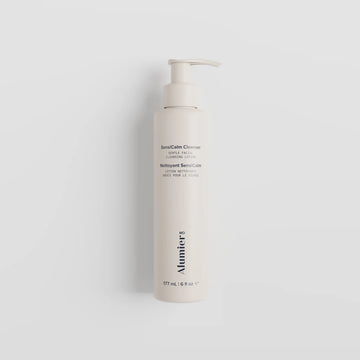 AlumierMDAlumier SensiCalm Cleanser
$65.00
Sold out
AlumierMDAlumier SensiCalm Cleanser
$65.00
Sold outRedness Sunscreen
 Elta MDElta MD UV Clear SPF 46
$75.00
Sold out
Elta MDElta MD UV Clear SPF 46
$75.00
Sold out
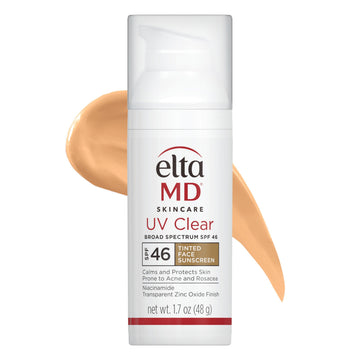 Elta MDElta MD UV Clear Tinted SPF 46
$79.00
Sold out
Elta MDElta MD UV Clear Tinted SPF 46
$79.00
Sold outMore Redness
 StratpharmaStrataderm Scar Therapy Gel 10g
$44.95
Add to cart
StratpharmaStrataderm Scar Therapy Gel 10g
$44.95
Add to cart
 ZO Skin HealthZO Rozatrol
$128.00
Add to cart
ZO Skin HealthZO Rozatrol
$128.00
Add to cart
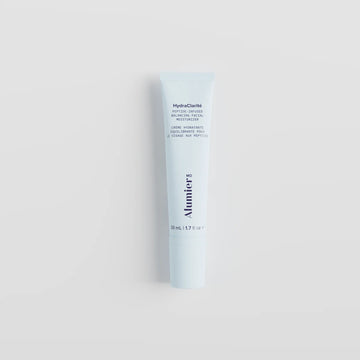 AlumierMDAlumier HydraClarité
$87.00
Sold out
AlumierMDAlumier HydraClarité
$87.00
Sold out
 AlumierMDAlumier Calm-R
$158.00
Sold out
AlumierMDAlumier Calm-R
$158.00
Sold out
 AlumierMDAlumier Calming Collection
$363.00
Sold out
AlumierMDAlumier Calming Collection
$363.00
Sold out
 SkinCeuticalsSkin Ceuticals Phyto Corrective Gel
$110.00
Add to cart
SkinCeuticalsSkin Ceuticals Phyto Corrective Gel
$110.00
Add to cart
 SkinCeuticalsSkin Ceuticals Phyto Corrective Essence Mist
$95.00
Add to cart
SkinCeuticalsSkin Ceuticals Phyto Corrective Essence Mist
$95.00
Add to cart About Medical-Grade Facial Redness Relief
What are medical-grade redness products?
Facial redness can come from sensitivity, a compromised barrier or conditions like rosacea. Medical-grade redness products use gentle, professional-grade actives to help comfort the feel of reactive skin and support the skin's moisture barrier, from brands like SkinCeuticals, ZO Skin Health and Avene.
Ingredients that help reduce the look of redness
- Azelaic acid: helps reduce the look of redness and blemishes.
- Niacinamide: helps support and hydrate the skin's surface and comforts the feel of skin.
- Centella and panthenol: help comfort the feel of reactive, sensitized skin.
- Mineral SPF: zinc oxide protects without irritating.
How to care for red, sensitive skin
Keep your routine simple and fragrance-conscious, cleanse gently, avoid known triggers, and help support the skin's moisture barrier with ceramides and a daily mineral sunscreen. Introduce any active slowly. Persistent redness is best discussed with a dermatologist.
Shop authentic medical-grade redness products in Canada
BelleSkin is an independent Canadian retailer, so every product is genuine and fresh, shipped across Canada with free shipping over $99.
Frequently asked questions
What ingredients help reduce facial redness?
Dermatology sources point to niacinamide, which may help reduce the look of visible redness and support the skin's moisture barrier, alongside ceramides and hyaluronic acid that can help support and hydrate the moisture barrier. Azelaic acid is also well studied and has been shown in randomized trials to reduce the look of visible redness in redness-prone skin, so look for gentle, fragrance-free formulas featuring these actives.
What skincare ingredients should I avoid if my skin gets red and irritated?
The American Academy of Dermatology suggests avoiding common irritants such as menthol, camphor, and sodium lauryl sulfate, as well as alcohol-based toners and astringents that can increase redness. Choosing fragrance-free, gentle products is generally thought to be kinder to sensitive, redness-prone skin.
Does sunscreen help with redness?
Sun exposure is one of the most common triggers of redness flare-ups, so the AAD and National Rosacea Society recommend a daily broad-spectrum SPF 30 or higher. Mineral formulas with zinc oxide or titanium dioxide are often preferred for sensitive skin because they sit on the surface and tend to be well tolerated.
Can niacinamide and azelaic acid be used together for redness?
Dermatological sources indicate these two actives can complement each other, since both are studied for reducing the look of redness and supporting an even-looking tone. As with any new active, introducing them gradually and patch testing first is generally advised for sensitive skin.
Why does my face get red and flushed?
Facial redness is often linked to a compromised skin barrier and inflammation, which can make blood vessels dilate and lead to visible flushing. Common triggers include heat, sun, alcohol, spicy foods, and harsh products, so a gentle barrier-supporting routine paired with trigger awareness may help. Persistent or worsening redness is best assessed by a healthcare professional.