
Medical-Grade Skin Barrier Repair
Barrier-supporting formulas to help hydrate and comfort the feel of dry, sensitive, reactive skin.
Select Damaged Skin Barrier treatment type:
Damaged Skin Barrier Moisturizers
 AveneAvène XeraCalm A.D Lipid-Replenishing Balm
$41.00
Add to cart
AveneAvène XeraCalm A.D Lipid-Replenishing Balm
$41.00
Add to cart
 ZO Skin HealthZO Hydrating Creme
$160.00
Add to cart
ZO Skin HealthZO Hydrating Creme
$160.00
Add to cart
 AveneAvene Cicalfate Restorative Lip Cream
$19.50
Add to cart
AveneAvene Cicalfate Restorative Lip Cream
$19.50
Add to cart
 AveneAvene Cicalfate+ Restorative Protective Cream
$19.00
Sold out
AveneAvene Cicalfate+ Restorative Protective Cream
$19.00
Sold out
 AveneAvene Cicalfate Hand Restorative Barrier Cream
$21.00
Add to cart
AveneAvene Cicalfate Hand Restorative Barrier Cream
$21.00
Add to cart
 AveneAvene XeraCalm Lipid-replenishing cream
$41.00
Add to cart
AveneAvene XeraCalm Lipid-replenishing cream
$41.00
Add to cart
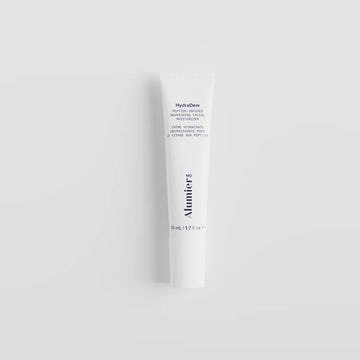 AlumierMDAlumier HydraDew
$88.00
Sold out
AlumierMDAlumier HydraDew
$88.00
Sold out
 AlumierMDAlumier HydraRich
$111.00
Sold out
AlumierMDAlumier HydraRich
$111.00
Sold out
 AlumierMDAlumier Recovery Balm
$111.00
Sold out
AlumierMDAlumier Recovery Balm
$111.00
Sold out
 AlumierMDAlumier HydraCalm
$90.00
Add to cart
AlumierMDAlumier HydraCalm
$90.00
Add to cart
 Alastin SkincareAlastin Soothe + Protect Recovery Balm
$70.00
Add to cart
Alastin SkincareAlastin Soothe + Protect Recovery Balm
$70.00
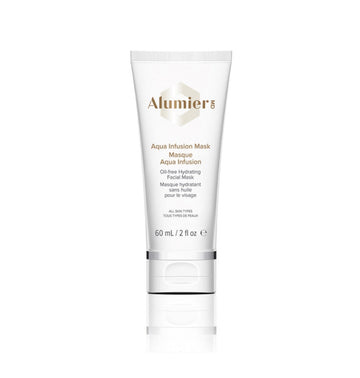
Add to cart Damaged Skin Barrier Masks
Damaged Skin Barrier Cleansers
 ZO Skin HealthZO Balancing Cleansing Emulsion
$66.00
Add to cart
ZO Skin HealthZO Balancing Cleansing Emulsion
$66.00
Add to cart
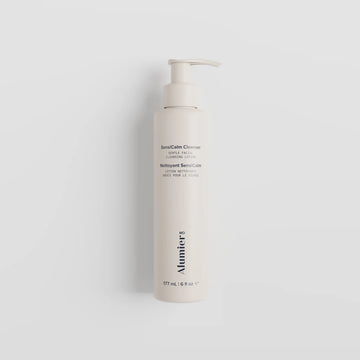 AlumierMDAlumier SensiCalm Cleanser
$65.00
Sold out
AlumierMDAlumier SensiCalm Cleanser
$65.00
Sold outMore Damaged Skin Barrier
 StratpharmaStrataderm Scar Therapy Gel 5g
$26.95
Add to cart
StratpharmaStrataderm Scar Therapy Gel 5g
$26.95
Add to cart
 StratpharmaStrataderm Scar Therapy Gel 10g
$44.95
Add to cart
StratpharmaStrataderm Scar Therapy Gel 10g
$44.95
Add to cart
 ZO Skin HealthZO Daily Power Defense
$230.00
Add to cart
ZO Skin HealthZO Daily Power Defense
$230.00
Add to cart
 AveneAvène XeraCalm A.D Lipid-Replenishing Oil
$31.50
Add to cart
AveneAvène XeraCalm A.D Lipid-Replenishing Oil
$31.50
Add to cart
 StratpharmaStratamed Wound Dressing 5g
$34.95
Add to cart
StratpharmaStratamed Wound Dressing 5g
$34.95
Add to cart
 AlumierMDAlumier Calm-R
$158.00
Sold out
AlumierMDAlumier Calm-R
$158.00
Sold out
 AlumierMDAlumier Calming Collection
$363.00
Sold out
AlumierMDAlumier Calming Collection
$363.00
Sold out
 StratpharmaStratamed Wound Dressing 10g
$58.95
Add to cart
StratpharmaStratamed Wound Dressing 10g
$58.95
Add to cart
 SkinCeuticalsSkin Ceuticals Phyto Corrective Gel
$110.00
Add to cart
SkinCeuticalsSkin Ceuticals Phyto Corrective Gel
$110.00
Add to cart
 SkinCeuticalsSkin Ceuticals Triple Lipid Restore 2-4-2
$190.00
Add to cart
SkinCeuticalsSkin Ceuticals Triple Lipid Restore 2-4-2
$190.00
Add to cart
 SkinCeuticalsSkin Ceuticals Phyto Corrective Essence Mist
$95.00
Add to cart
SkinCeuticalsSkin Ceuticals Phyto Corrective Essence Mist
$95.00
Add to cart About Medical-Grade Skin Barrier Repair
What is medical-grade barrier repair?
The skin barrier is the outer layer that locks in moisture and keeps irritants out. When it is compromised, skin can feel tight, dry, stingy or reactive. Medical-grade barrier repair products use professional-grade, well-tolerated ingredients to help support and hydrate the skin's moisture barrier, from brands like SkinCeuticals, ZO Skin Health and Avene.
Ingredients that help support the skin's moisture barrier
- Ceramides and cholesterol: provide the same types of lipids found in the skin's surface to help support moisture.
- Hyaluronic acid and glycerin: draw in and hold hydration.
- Niacinamide: helps support and hydrate the skin's surface and reduces the look of redness.
- Panthenol and centella: help comfort the feel of reactive, sensitized skin.
How to care for dry, sensitized skin
Simplify your routine, pause strong actives like retinoids and acids, cleanse gently, and focus on a barrier-supporting moisturizer and daily sunscreen. With gentle care, skin often looks and feels more comfortable within a few weeks.
Shop authentic medical-grade barrier repair in Canada
BelleSkin is an independent Canadian retailer, so every product is genuine and fresh, shipped across Canada with free shipping over $99.
Frequently asked questions
What are the signs of a damaged skin barrier?
Common signs can include persistent dryness or flaking, tightness, redness, and stinging or burning from products you previously tolerated, along with increased sensitivity and reactivity. These are general indicators rather than a diagnosis, so if symptoms are severe or ongoing it is best to see a dermatologist.
How long does a damaged skin barrier take to repair?
Timelines vary with severity, but many sources suggest mild barrier disruption may settle within about one to two weeks, while moderate to more significant damage can take several weeks or longer. Consistency with a gentle, simplified routine is generally thought to help, and results differ from person to person.
What ingredients help support a damaged skin barrier?
Ceramides, cholesterol, and fatty acids are barrier-identical lipids thought to help support and hydrate the skin's surface, and studies suggest they work best when used together rather than alone. Niacinamide has been shown to help support and hydrate the skin's surface, while humectants such as glycerin and hyaluronic acid can support hydration by helping the skin hold water.
Should I stop exfoliating if my skin barrier is compromised?
Many dermatologists suggest pausing harsh exfoliants and strong actives while the barrier recovers, since over-exfoliation is a common contributor to barrier disruption. Reintroducing actives slowly once skin feels calmer is a frequently recommended approach, and a professional can help you tailor timing.
Can the right cleanser help a damaged skin barrier?
Switching to a gentle, fragrance-free, hydrating cleanser that does not strip natural oils is often recommended as a first step, since harsh or stripping cleansers can add stress to already-sensitive skin. A cleanser alone is supportive rather than corrective, and it works best as part of a simplified, barrier-supporting routine.