
Medical-Grade Anti-Aging Skincare
Clinically studied skincare to smooth the look of fine lines and support the look of firmer, younger-looking skin.
Select Anti-Aging treatment type:
Anti-Aging Serums
 ZO Skin HealthZO 10% Vitamin C Self-Activating Serum
$140.00
Add to cart
ZO Skin HealthZO 10% Vitamin C Self-Activating Serum
$140.00
Add to cart
 ZO Skin HealthZO Growth Factor Serum
$220.00
Add to cart
ZO Skin HealthZO Growth Factor Serum
$220.00
Add to cart
 ZO Skin HealthZO Illuminating AOX Serum
$235.00
Add to cart
ZO Skin HealthZO Illuminating AOX Serum
$235.00
Add to cart
 ZO Skin HealthZO Growth Factor Eye Serum
$170.00
Add to cart
ZO Skin HealthZO Growth Factor Eye Serum
$170.00
Add to cart
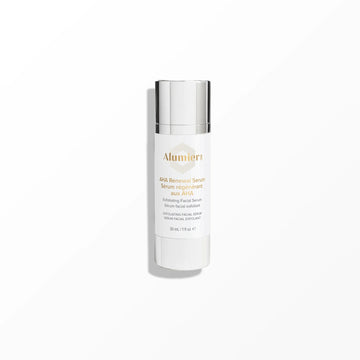 AlumierMDAlumier AHA Renewal Serum
$119.00
Sold out
AlumierMDAlumier AHA Renewal Serum
$119.00
Sold out
 AlumierMDAlumier Ultimate Boost Serum
$141.00
Sold out
AlumierMDAlumier Ultimate Boost Serum
$141.00
Sold out
 AlumierMDAlumier Retinol Resurfacing Serum 0.25%
$118.50
Sold out
AlumierMDAlumier Retinol Resurfacing Serum 0.25%
$118.50
Sold out
 AlumierMDAlumier Retinol Resurfacing Serum 0.5%
$139.00
Sold out
AlumierMDAlumier Retinol Resurfacing Serum 0.5%
$139.00
Sold out
 AlumierMDAlumier Retinol Resurfacing Serum 1.0%
$153.00
Sold out
AlumierMDAlumier Retinol Resurfacing Serum 1.0%
$153.00
Sold out
 SkinCeuticalsSkin Ceuticals Serum 10 AOX+
$130.00
Add to cart
SkinCeuticalsSkin Ceuticals Serum 10 AOX+
$130.00
Add to cart Anti-Aging Moisturizers
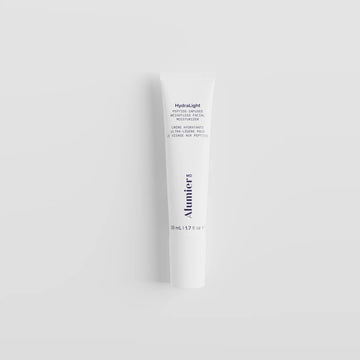 AlumierMDAlumier HydraLight
$88.00
Sold out
AlumierMDAlumier HydraLight
$88.00
Sold out
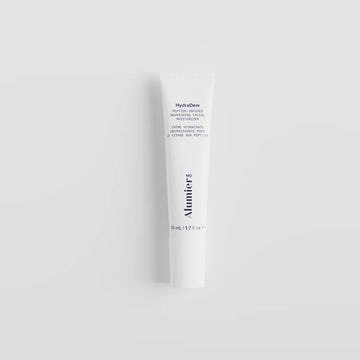 AlumierMDAlumier HydraDew
$88.00
Sold out
AlumierMDAlumier HydraDew
$88.00
Sold out
 AlumierMDAlumier HydraRich
$111.00
Sold out
AlumierMDAlumier HydraRich
$111.00
Sold out
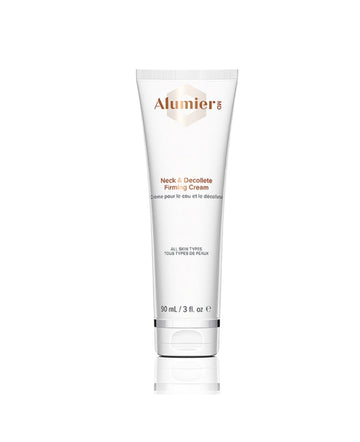 AlumierMDAlumier Neck & Décolleté Firming Cream
$116.50
Sold out
AlumierMDAlumier Neck & Décolleté Firming Cream
$116.50
Sold outAnti-Aging Eye Care
ZO Skin HealthZO Growth Factor Eye Serum
$170.00
Add to cart
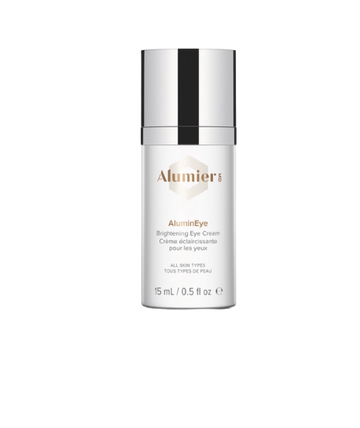 AlumierMDAlumier AluminEye
$128.00
Sold out
AlumierMDAlumier AluminEye
$128.00
Sold out
 AlumierMDAlumier Retinol Eye Gel
$125.00
Sold out
AlumierMDAlumier Retinol Eye Gel
$125.00
Sold out
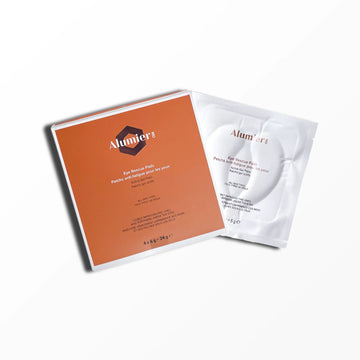 AlumierMDAlumier Eye Rescue Pads
$50.00
Sold out
AlumierMDAlumier Eye Rescue Pads
$50.00
Sold out
 AlumierMDAlumier Rejuvenating Eye Collection
$232.00
Sold out
AlumierMDAlumier Rejuvenating Eye Collection
$232.00
Sold out
 SkinCeuticalsSkin Ceuticals AOX+ Eye Gel
$130.00
Add to cart
SkinCeuticalsSkin Ceuticals AOX+ Eye Gel
$130.00
Add to cart Anti-Aging Retinoids
 ZO Skin HealthZO Retinol Skin Brightener 1%
$190.00
Add to cart
ZO Skin HealthZO Retinol Skin Brightener 1%
$190.00
Add to cart
 ZO Skin HealthZO Retinol Skin Brightener 0.25%
$145.00
Add to cart
ZO Skin HealthZO Retinol Skin Brightener 0.25%
$145.00
Add to cart
 ZO Skin HealthZO Retinol Skin Brightener 0.5%
$165.00
Add to cart
AlumierMDAlumier Retinol Eye Gel
$125.00
Sold out
AlumierMDAlumier Retinol Resurfacing Serum 0.25%
$118.50
Sold out
AlumierMDAlumier Retinol Resurfacing Serum 0.5%
$139.00
Sold out
AlumierMDAlumier Retinol Resurfacing Serum 1.0%
$153.00
Sold out
ZO Skin HealthZO Retinol Skin Brightener 0.5%
$165.00
Add to cart
AlumierMDAlumier Retinol Eye Gel
$125.00
Sold out
AlumierMDAlumier Retinol Resurfacing Serum 0.25%
$118.50
Sold out
AlumierMDAlumier Retinol Resurfacing Serum 0.5%
$139.00
Sold out
AlumierMDAlumier Retinol Resurfacing Serum 1.0%
$153.00
Sold out
 ZO Skin HealthZO Wrinkle + Texture Repair Travel Size
$130.00
Add to cart
ZO Skin HealthZO Wrinkle + Texture Repair Travel Size
$130.00
Add to cart Anti-Aging Antioxidants
ZO Skin HealthZO 10% Vitamin C Self-Activating Serum
$140.00
Add to cart
ZO Skin HealthZO Illuminating AOX Serum
$235.00
Add to cart
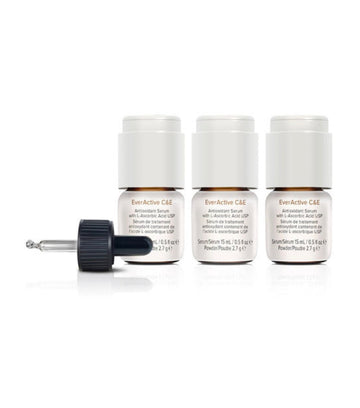 AlumierMDAlumier EverActive C&E + Peptide
$230.00
Sold out
AlumierMDAlumier EverActive C&E + Peptide
$230.00
Sold out
 SkinCeuticalsSkin Ceuticals C E Ferulic with 15% l-ascorbic acid
$220.00
Add to cart
SkinCeuticalsSkin Ceuticals C E Ferulic with 15% l-ascorbic acid
$220.00
Add to cart
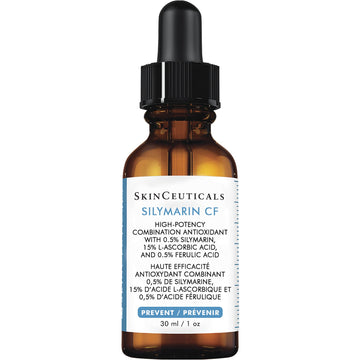 SkinCeuticalsSkin Ceuticals Silymarin CF
$220.00
Add to cart
SkinCeuticalsSkin Ceuticals Serum 10 AOX+
$130.00
Add to cart
SkinCeuticalsSkin Ceuticals AOX+ Eye Gel
$130.00
Add to cart
SkinCeuticalsSkin Ceuticals Silymarin CF
$220.00
Add to cart
SkinCeuticalsSkin Ceuticals Serum 10 AOX+
$130.00
Add to cart
SkinCeuticalsSkin Ceuticals AOX+ Eye Gel
$130.00
Add to cart Anti-Aging Brightening & Pigment
ZO Skin HealthZO Retinol Skin Brightener 1%
$190.00
Add to cart
ZO Skin HealthZO Retinol Skin Brightener 0.25%
$145.00
Add to cart
ZO Skin HealthZO Retinol Skin Brightener 0.5%
$165.00
Add to cart
ZO Skin HealthZO Illuminating AOX Serum
$235.00
Add to cart
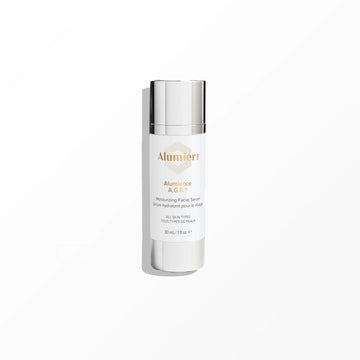 AlumierMDAlumier Alumience A.G.E.
$176.00
Sold out
AlumierMDAlumier Alumience A.G.E.
$176.00
Sold out
 AlumierMDAlumier Brightening Collection Normal/Oily W/HQ
$467.00
Sold out
AlumierMDAlumier Brightening Collection Normal/Oily W/HQ
$467.00
Sold out
 AlumierMDAlumier Brightening Collection Dry/Sensitive W/HQ
$467.00
Sold out
AlumierMDAlumier Brightening Collection Dry/Sensitive W/HQ
$467.00
Sold out
 AlumierMDAlumier Brightening Collection Normal/Oily WO/HQ
$467.00
Sold out
AlumierMDAlumier Brightening Collection Normal/Oily WO/HQ
$467.00
Sold out
 AlumierMDAlumier Brightening Collection Dry/Sensitive WO/HQ
$467.00
Sold out
AlumierMDAlumier Brightening Collection Dry/Sensitive WO/HQ
$467.00
Sold out
 AlumierMDAlumier Prep & Enhance - Discolouration (Non-HQ)
$405.00
Sold out
AlumierMDAlumier Prep & Enhance - Discolouration (Non-HQ)
$405.00
Sold out
 AlumierMDAlumier Prep & Enhance - Discolouration (HQ)
$405.00
Sold out
AlumierMDAlumier Prep & Enhance - Discolouration (HQ)
$405.00
Sold outAnti-Aging Exfoliants & Peels
 ZO Skin HealthZO Exfoliation Accelerator
$115.00
Add to cart
ZO Skin HealthZO Exfoliation Accelerator
$115.00
Add to cart
 ZO Skin HealthZO Enzymatic Peel
$115.00
Add to cart
ZO Skin HealthZO Enzymatic Peel
$115.00
Add to cart Anti-Aging Sunscreen
 ZO Skin HealthZO Sunscreen + Powder SPF 45 - Light
$86.00
Add to cart
ZO Skin HealthZO Sunscreen + Powder SPF 45 - Light
$86.00
Add to cart
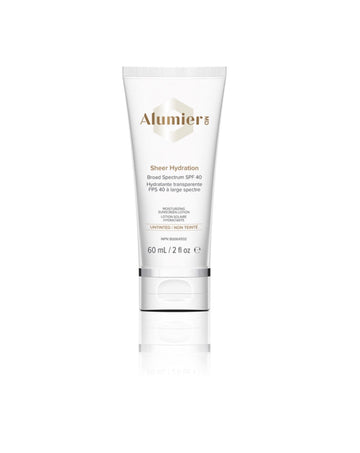 AlumierMDAlumier Sheer Hydration Broad Spectrum SPF 40 (Untinted)
$68.00
Add to cart
AlumierMDAlumier Sheer Hydration Broad Spectrum SPF 40 (Untinted)
$68.00
Add to cart
 Alastin SkincareAlastin Skincare Hydratint Pro Mineral Sunscreen SPF 36
$97.00
Add to cart
Alastin SkincareAlastin Skincare Hydratint Pro Mineral Sunscreen SPF 36
$97.00
Add to cart More Anti-Aging
 ZO Skin HealthZO Daily Power Defense
$230.00
Add to cart
ZO Skin HealthZO Daily Power Defense
$230.00
Add to cart
 ZO Skin HealthZO Anti-Aging Program
$300.00
Add to cart
ZO Skin HealthZO Anti-Aging Program
$300.00
Add to cart
 ZO Skin HealthZO Radical Night Repair
$240.00
Add to cart
ZO Skin HealthZO Radical Night Repair
$240.00
Add to cart
 AlumierMDAlumier Rejuvenating Collection Normal/Oily
$551.00
Sold out
AlumierMDAlumier Rejuvenating Collection Normal/Oily
$551.00
Sold out
 AlumierMDAlumier Rejuvenating Collection Dry/Sensitive
$551.00
Sold out
AlumierMDAlumier Rejuvenating Collection Dry/Sensitive
$551.00
Sold out
 AlumierMDAlumier Prep & Enhance - Rejuvenation
$405.00
Sold out
AlumierMDAlumier Prep & Enhance - Rejuvenation
$405.00
Sold out
 SkinCeuticalsSkin Ceuticals HA Intensifier Multi-Glycan
$170.00
Add to cart
SkinCeuticalsSkin Ceuticals HA Intensifier Multi-Glycan
$170.00
Add to cart
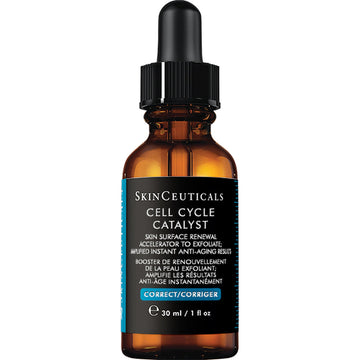 SkinCeuticalsSkin Ceuticals Cell Cycle Catalyst
$140.00
Add to cart
SkinCeuticalsSkin Ceuticals Cell Cycle Catalyst
$140.00
Add to cart
 SkinCeuticalsSkin Ceuticals P-tiox
$190.00
Add to cart
SkinCeuticalsSkin Ceuticals P-tiox
$190.00
Add to cart
 SkinCeuticalsSkin Ceuticals Triple Lipid Restore 2-4-2
$190.00
Add to cart
SkinCeuticalsSkin Ceuticals Triple Lipid Restore 2-4-2
$190.00
Add to cart
 SkinCeuticalsSkin Ceuticals A.G.E. Interrupter Advanced
$235.00
Add to cart
SkinCeuticalsSkin Ceuticals A.G.E. Interrupter Advanced
$235.00
Add to cart
 Alastin SkincareAlastin Restorative Neck Complex
$182.00
Add to cart
Alastin SkincareAlastin Restorative Neck Complex
$182.00
Add to cart About Medical-Grade Anti-Aging Skincare
What are medical-grade anti-aging products?
Medical-grade anti-aging products are professional-grade skincare formulated to target the visible signs of aging, from fine lines and wrinkles to the look of reduced firmness and uneven tone. Sold through clinics and skin professionals, lines like SkinCeuticals, ZO Skin Health and AlumierMD use higher, better-stabilized concentrations of clinically studied actives than most drugstore anti-aging skincare.
Key anti-aging ingredients
- Retinol and retinoids: the most studied actives for the look of fine lines and texture.
- Vitamin C and antioxidants: help brighten the look of skin and defend against daily environmental stress.
- Peptides and growth factors: support the look of firmness and a smoother-looking surface.
- Broad-spectrum sunscreen: one of the most important anti-aging steps.
Building an anti-aging routine
A results-driven routine pairs an antioxidant serum such as vitamin C in the morning, a retinoid at night, a barrier-supporting moisturizer and daily sunscreen. Consistency over months matters more than any single product.
Shop authentic medical-grade anti-aging products in Canada
BelleSkin is an independent Canadian retailer, so every anti-aging product is genuine, fresh and correctly stored, and shipped across Canada with free shipping over $99.
Frequently asked questions
What ingredients help with fine lines and wrinkles?
Retinoids and retinol are among the most studied options and have been shown to support the appearance of fine lines and texture over time. Vitamin C, peptides, niacinamide, and hyaluronic acid may also support the look of firmer, smoother-looking skin, and daily sunscreen is considered foundational.
How long does it take to see results from anti-aging products?
Research on topical retinoids suggests visible changes in fine lines may begin to appear after roughly two to four months of consistent use, with some changes taking up to six months or longer. Patience and consistency are generally recommended, since results vary by individual.
Does sunscreen really help with the look of wrinkles?
A randomized trial found that regular daily sunscreen use may help slow visible signs of skin aging compared with occasional use. Most premature skin aging is linked to sun exposure, so broad-spectrum SPF is commonly described as the foundation of an anti-aging routine.
What age should I start using anti-aging skincare?
Dermatology references note that visible signs of aging can begin and intrinsic aging can start in the mid-20s, so daily sun protection is often suggested early. Other actives like retinol can typically be introduced when fine lines and texture concerns become a priority, ideally with professional guidance.
Can I use retinol and vitamin C together?
Many routines pair a vitamin C antioxidant in the morning with a retinoid at night, since each is thought to support different aspects of skin appearance. Because both can be active, it is wise to introduce them gradually and follow product directions, and to consult a skincare professional if you have sensitive skin.