
Hyaluronic Acid Serums & Skincare
Hyaluronic acid draws in and holds moisture to leave skin looking plumper, smoother and more hydrated.
Shop Hyaluronic Acid by type:
Hyaluronic Acid Serums
 ZO Skin HealthZO Growth Factor Eye Serum
$170.00
Add to cart
ZO Skin HealthZO Growth Factor Eye Serum
$170.00
Add to cart
 AlumierMDAlumier Acne Balancing Serum
$103.00
Sold out
AlumierMDAlumier Acne Balancing Serum
$103.00
Sold out
 AlumierMDAlumier Ultimate Boost Serum
$141.00
Sold out
AlumierMDAlumier Ultimate Boost Serum
$141.00
Sold out
 AlumierMDAlumier Retinol Resurfacing Serum 1.0%
$153.00
Sold out
AlumierMDAlumier Retinol Resurfacing Serum 1.0%
$153.00
Sold out
 AlumierMDAlumier Retinol Resurfacing Serum 0.5%
$139.00
Sold out
AlumierMDAlumier Retinol Resurfacing Serum 0.5%
$139.00
Sold out
 AlumierMDAlumier Retinol Resurfacing Serum 0.25%
$118.50
Sold out
AlumierMDAlumier Retinol Resurfacing Serum 0.25%
$118.50
Sold out
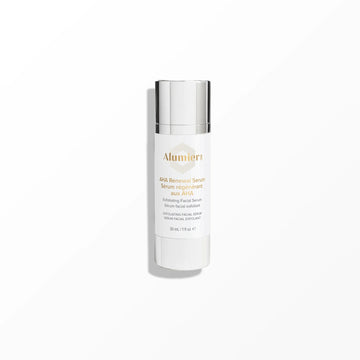 AlumierMDAlumier AHA Renewal Serum
$119.00
Sold out
AlumierMDAlumier AHA Renewal Serum
$119.00
Sold out
 Alastin SkincareAlastin HA IMMERSE Serum™
$166.00
Add to cart
Alastin SkincareAlastin HA IMMERSE Serum™
$166.00
Add to cart Hyaluronic Acid Moisturizers
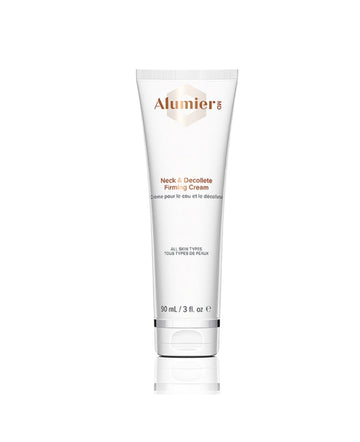 AlumierMDAlumier Neck & Décolleté Firming Cream
$116.50
Sold out
AlumierMDAlumier Neck & Décolleté Firming Cream
$116.50
Sold out
 AlumierMDAlumier HydraRich
$111.00
Sold out
AlumierMDAlumier HydraRich
$111.00
Sold out
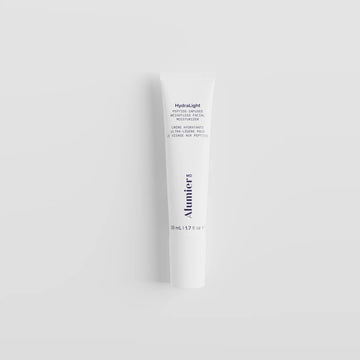 AlumierMDAlumier HydraLight
$88.00
Sold out
AlumierMDAlumier HydraLight
$88.00
Sold out
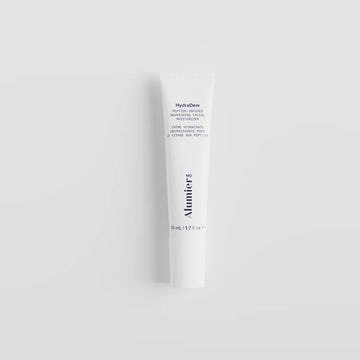 AlumierMDAlumier HydraDew
$88.00
Sold out
AlumierMDAlumier HydraDew
$88.00
Sold out
 AlumierMDAlumier HydraCalm
$90.00
Add to cart
AlumierMDAlumier HydraCalm
$90.00
Add to cart Hyaluronic Acid Eye Care
ZO Skin HealthZO Growth Factor Eye Serum
$170.00
Add to cart
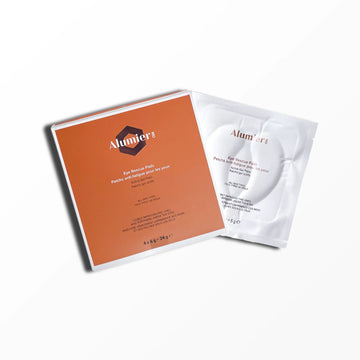 AlumierMDAlumier Eye Rescue Pads
$50.00
Sold out
AlumierMDAlumier Eye Rescue Pads
$50.00
Sold outHyaluronic Acid Retinoids
AlumierMDAlumier Retinol Resurfacing Serum 1.0%
$153.00
Sold out
AlumierMDAlumier Retinol Resurfacing Serum 0.5%
$139.00
Sold out
AlumierMDAlumier Retinol Resurfacing Serum 0.25%
$118.50
Sold outHyaluronic Acid Acne Treatments
Hyaluronic Acid Exfoliants & Peels
Hyaluronic Acid Masks
Hyaluronic Acid Cleansers
 ZO Skin HealthZO Hydrating Cleanser
$64.00
Add to cart
ZO Skin HealthZO Hydrating Cleanser
$64.00
Add to cart
 ZO Skin HealthZO Hydrating Cleanser (Travel Size 60mL)
$25.00
Add to cart
ZO Skin HealthZO Hydrating Cleanser (Travel Size 60mL)
$25.00
Add to cart Hyaluronic Acid Sunscreen
More Hyaluronic Acid
 SkinCeuticalsSkin Ceuticals Phyto Corrective Essence Mist
$95.00
Add to cart
SkinCeuticalsSkin Ceuticals Phyto Corrective Essence Mist
$95.00
Add to cart
 SkinCeuticalsSkin Ceuticals Phyto Corrective Gel
$110.00
Add to cart
SkinCeuticalsSkin Ceuticals Phyto Corrective Gel
$110.00
Add to cart
 SkinCeuticalsSkin Ceuticals Hydrating B5 Gel
$120.00
Add to cart
SkinCeuticalsSkin Ceuticals Hydrating B5 Gel
$120.00
Add to cart
 SkinCeuticalsSkin Ceuticals HA Intensifier Multi-Glycan
$170.00
Add to cart
SkinCeuticalsSkin Ceuticals HA Intensifier Multi-Glycan
$170.00
Add to cart
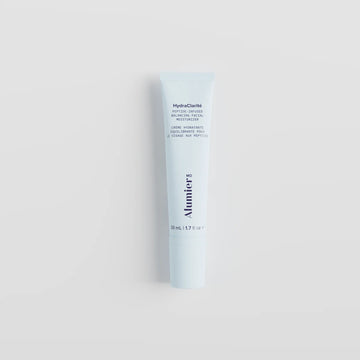 AlumierMDAlumier HydraClarité
$87.00
Sold out
AlumierMDAlumier HydraClarité
$87.00
Sold outAbout Hyaluronic Acid Serums & Skincare
What is hyaluronic acid?
Hyaluronic acid is a sugar molecule (a glycosaminoglycan) that occurs naturally in the skin, eyes, and connective tissue, where it is part of the skin's extracellular matrix. In skincare it acts as a humectant, meaning it attracts and binds water, and it is often listed on labels as sodium hyaluronate, its more stable salt form.
What does hyaluronic acid do for your skin?
Hyaluronic acid is a humectant that can hold a large amount of water relative to its weight, and topical formulas are thought to help draw and hold moisture in the upper layers of the skin. Research published in dermatology journals suggests that it may help improve skin hydration and reduce transepidermal water loss, which can make fine lines and dryness look less noticeable and leave skin feeling plumper and smoother. Because the skin's own hyaluronic acid content tends to decline with age, products that supplement it can support a hydrated, supple appearance. Studies indicate it is generally well tolerated across skin types, and dermatologists often pair it with other actives because it is lightweight and non-comedogenic.
Hyaluronic Acid for your skin concerns
Hyaluronic Acid is often chosen for a weakened barrier and signs of aging. Browse the medical-grade serums above, or shop by concern to build a full routine.
Shop authentic hyaluronic acid in Canada
BelleSkin is an independent Canadian retailer of professional, medical-grade skincare, so every hyaluronic acid formula ships genuine, fresh and correctly stored. Enjoy free shipping on orders over $99.
Frequently asked questions
How do I apply hyaluronic acid for the best results?
It is generally best applied to slightly damp skin, such as right after cleansing or toning, so it can draw in the available surface moisture. Following it with a moisturizer is often recommended to help seal that hydration in, which studies and dermatologists suggest can improve how well it performs.
Can hyaluronic acid be used on all skin types?
It is commonly considered suitable for most skin types, including dry, oily, combination, and sensitive skin, because it is lightweight and non-comedogenic. People with very oily skin may prefer to use it less frequently depending on how their skin feels.
Can hyaluronic acid dry out my skin?
When applied to bone-dry skin in a very dry environment, a humectant like hyaluronic acid may pull moisture from deeper layers rather than from the air, which some sources suggest can leave skin feeling drier. Applying it to damp skin and sealing with a moisturizer is the commonly recommended way to help avoid this.
What is the difference between high and low molecular weight hyaluronic acid?
High molecular weight forms tend to stay nearer the skin surface, where they are thought to form a hydrating film, while lower molecular weight forms are smaller and may travel into the upper layers of the epidermis. Many products combine multiple weights so that hydration is supported at more than one level near the skin's surface.
Can I use hyaluronic acid with vitamin C and retinol?
Hyaluronic acid is generally considered compatible with most actives and is often layered with vitamin C or retinol. It is frequently applied before or alongside retinol to add hydration, which some sources suggest may help offset the dryness retinol can cause; for personalized advice, a skincare professional is your best guide.