
Lactic Acid Exfoliants & Skincare
Lactic acid is a gentle AHA that exfoliates while supporting hydration for smoother, brighter-looking skin.
Shop Lactic Acid by type:
Lactic Acid Serums
Lactic Acid Brightening & Pigment
 AlumierMDAlumier Bright & Clear Solution
$70.00
Sold out
AlumierMDAlumier Bright & Clear Solution
$70.00
Sold out
 SkinCeuticalsSkin Ceuticals Phyto A+ Brightening Treatment
$150.00
Add to cart
SkinCeuticalsSkin Ceuticals Phyto A+ Brightening Treatment
$150.00
Add to cart Lactic Acid Exfoliants & Peels
 ZO Skin HealthZO Exfoliation Accelerator
$115.00
Add to cart
ZO Skin HealthZO Exfoliation Accelerator
$115.00
Add to cart
 AlumierMDAlumier Enzymatic Peel
$129.00
Sold out
AlumierMDAlumier Enzymatic Peel
$129.00
Sold outLactic Acid Masks
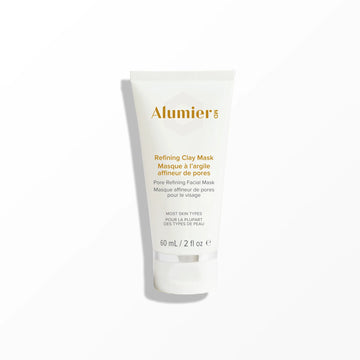
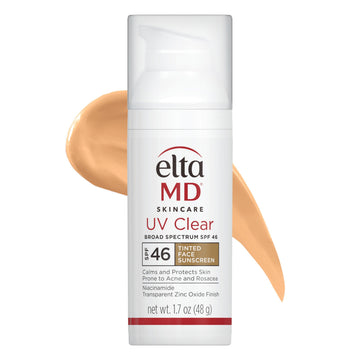
Lactic Acid Sunscreen
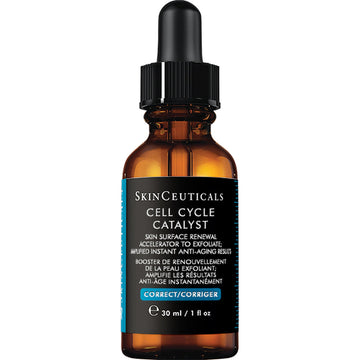
More Lactic Acid
About Lactic Acid Exfoliants & Skincare
What is lactic acid?
Lactic acid is an alpha hydroxy acid (AHA) derived from milk sugar and other carbohydrates, and it is also one of the natural moisturizing factors (NMF) found in skin. In skincare it is a gentle chemical exfoliant with a larger molecular size than glycolic acid, which is why it is often considered one of the milder AHAs.
What does lactic acid do for your skin?
Lactic acid works on the skin's surface by helping to loosen the bonds between dead cells (a process called desquamation), which may help smooth the look of rough texture and support a brighter, more even-looking tone. It is also a humectant, so it can help skin hold onto water. Research suggests it may help support and hydrate the skin's surface as well: a study in Archives of Dermatological Research (Rawlings et al., 1996) found that L-lactic acid was associated with better moisturization and a more comfortable-looking skin surface, and a 14-day controlled study published in the Journal of Clinical and Aesthetic Dermatology reported improved moisturization and reduced flaking with a 15% lactic acid lotion formulated with ceramides. Because it can both exfoliate and hydrate, it is often described as a good starting option for those with drier or more sensitive skin who find stronger acids irritating.
Lactic Acid for your skin concerns
Lactic Acid is often used to help with hyperpigmentation and signs of aging. Browse the medical-grade exfoliants above, or shop by concern to build a full routine.
Shop authentic lactic acid in Canada
BelleSkin is an independent Canadian retailer of professional, medical-grade skincare, so every lactic acid formula ships genuine, fresh and correctly stored. Enjoy free shipping on orders over $99.
Frequently asked questions
Is lactic acid good for sensitive or dry skin?
Lactic acid is generally considered one of the gentlest AHAs because its larger molecule penetrates more slowly than glycolic acid, and it also acts as a humectant that helps skin hold water. Dermatology references often suggest it as a starting point for drier or more sensitive skin, though it is wise to patch test first and introduce it gradually.
What is the difference between lactic acid and glycolic acid?
Both are alpha hydroxy acids, but glycolic acid has a smaller molecule that penetrates faster and tends to be more potent, while lactic acid is larger, milder, and adds a hydrating benefit. Lactic acid is often suggested for sensitive or dry skin, whereas glycolic acid is frequently chosen for normal to oily skin.
How often should I use lactic acid?
Many dermatologists suggest starting with a lower concentration once or twice a week and gradually increasing frequency as your skin builds tolerance. Listen to your skin and scale back if you notice irritation, tightness, or excessive dryness.
Does lactic acid make skin more sensitive to the sun?
AHAs like lactic acid can increase the skin's sensitivity to the sun while in use and for up to about a week after stopping, according to FDA guidance. Daily use of a broad-spectrum sunscreen of SPF 30 or higher is recommended, and applying acids at night is a common approach.
Can lactic acid help with hyperpigmentation and uneven tone?
By supporting surface exfoliation and the skin's natural surface renewal, lactic acid may help the skin look brighter and more even over time, and some studies suggest it can help soften the appearance of post-acne marks and dullness. Results vary from person to person and tend to build gradually with consistent use. For more stubborn discoloration, some other acids such as glycolic acid may work faster, so it can help to use lactic acid as part of a consistent overall routine.